

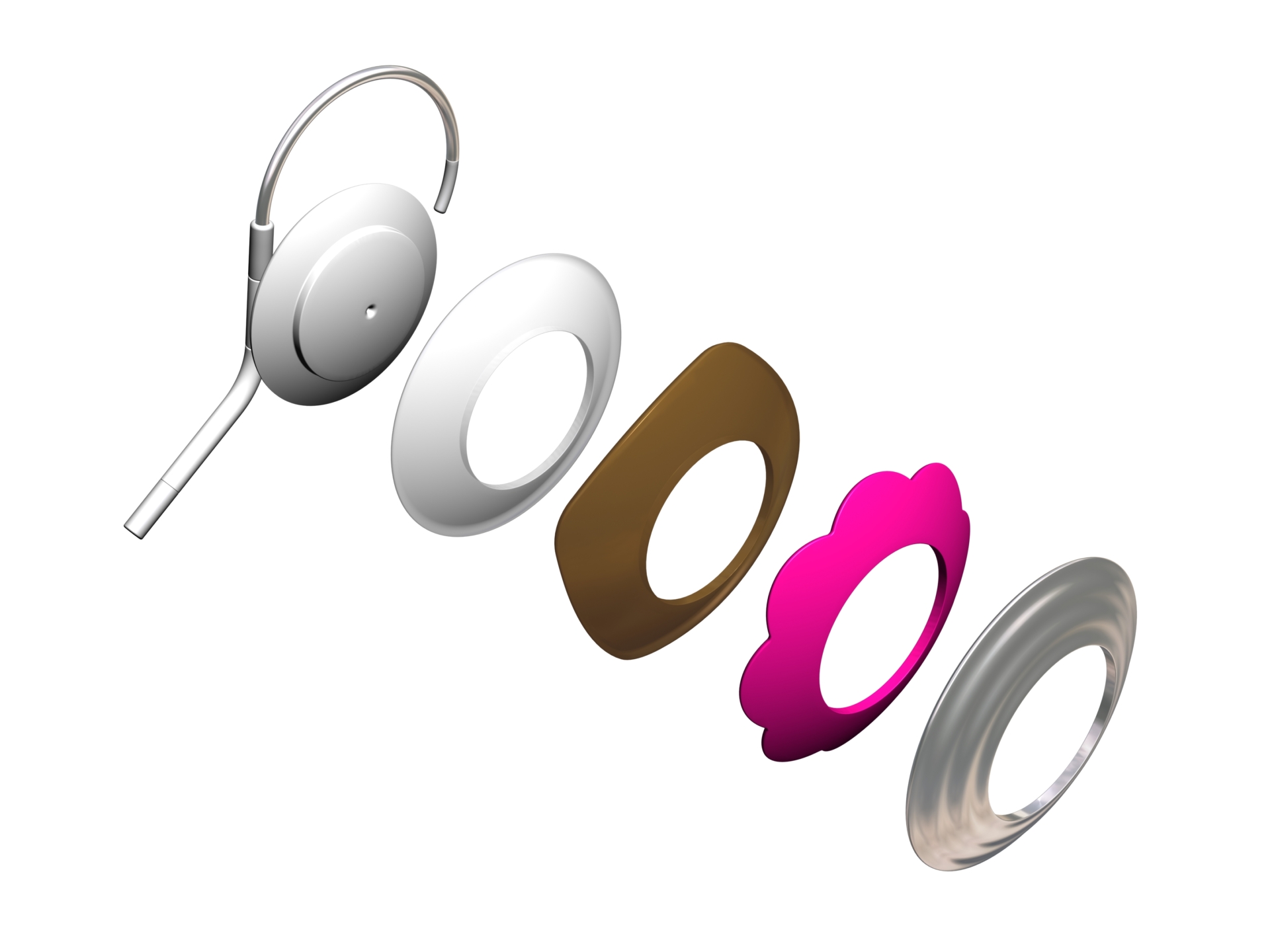
People throughout the world adorn themselves in different ways to express who they are. Glasses in particular have become a key tool in helping to define our personality both to ourselves & to those around us. They have also managed to cross the boundary from a ‘medical’ culture to a consumer one, thus enhancing the user’s ability to express himself or herself. Wearable ‘ear’ technology is becoming more accepted through technological advances in the telecoms and music sectors. It is no longer un-common to see people wearing hands free mobile earpieces, bluetooth and MP3 players on their ears, as well as their clothes.
This has presented an opportunity to integrate new telecoms technology such as bluetooth/mp3/hands-free into ‘hearing aids’ of the future, both for leisure/quality of life and hearing performance purposes. Furthermore, by creating an ambiguity between telecoms and hearing product types this also allows us to reduce the need to hide or disguise future hearing aids to respond to the stigma of disability.
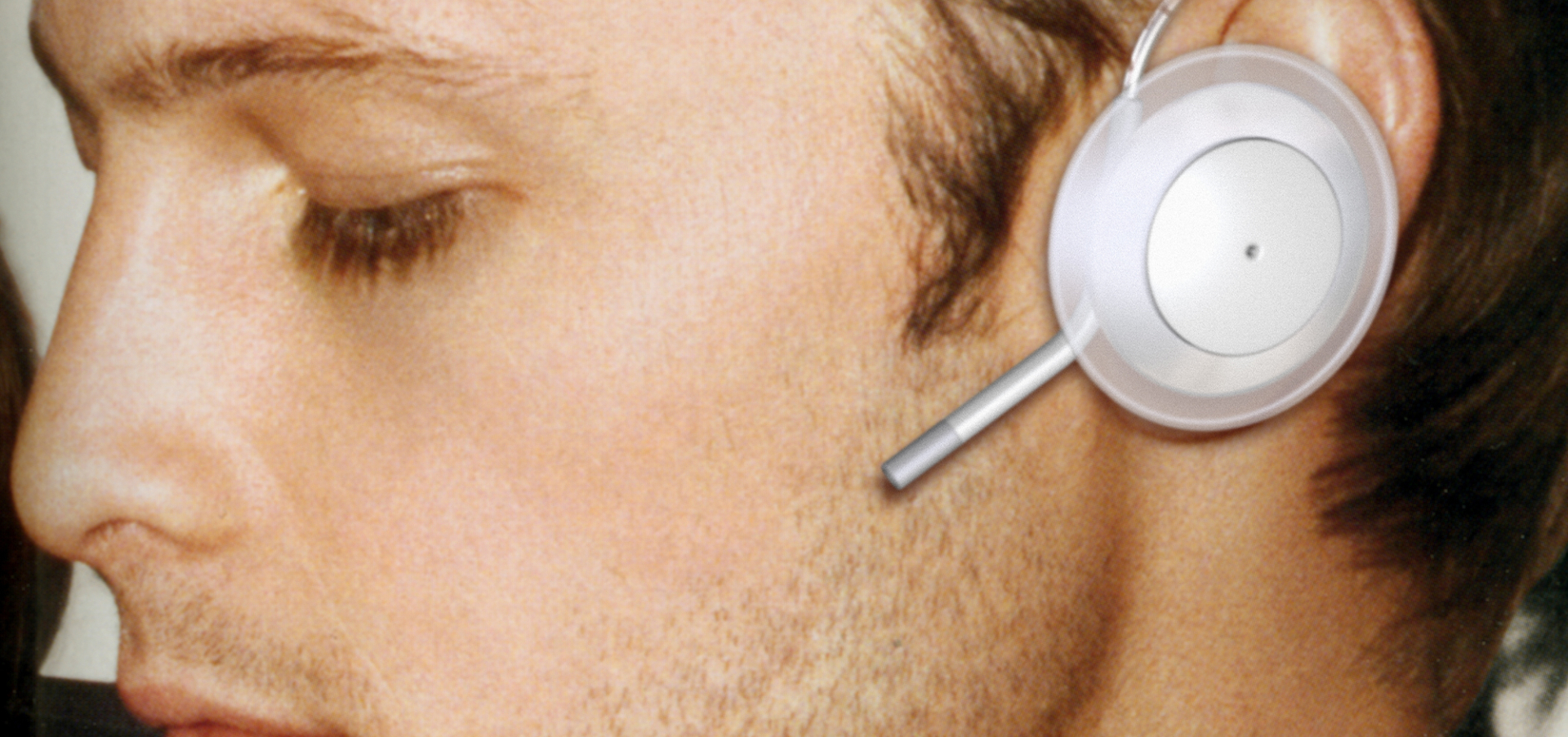
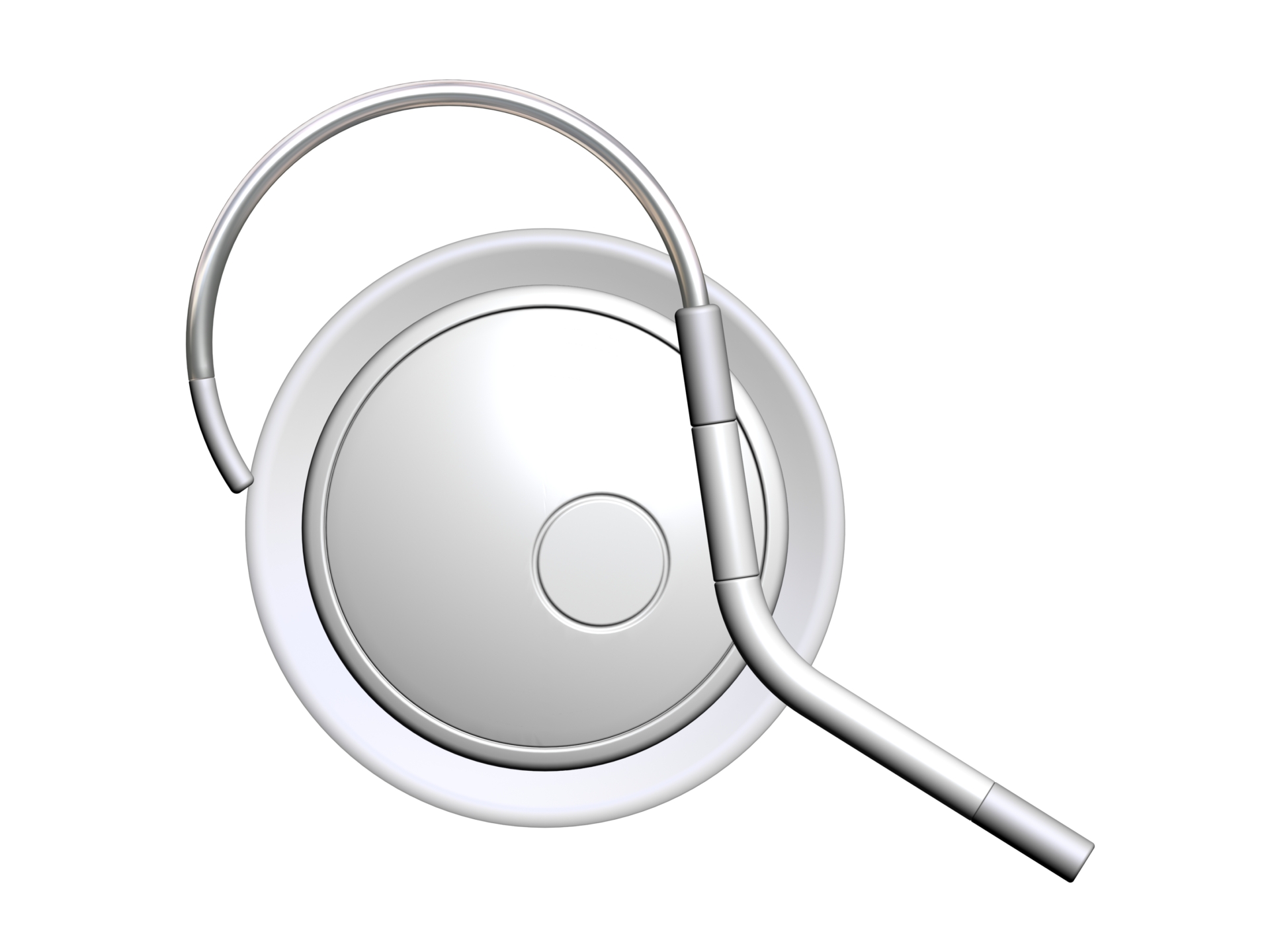
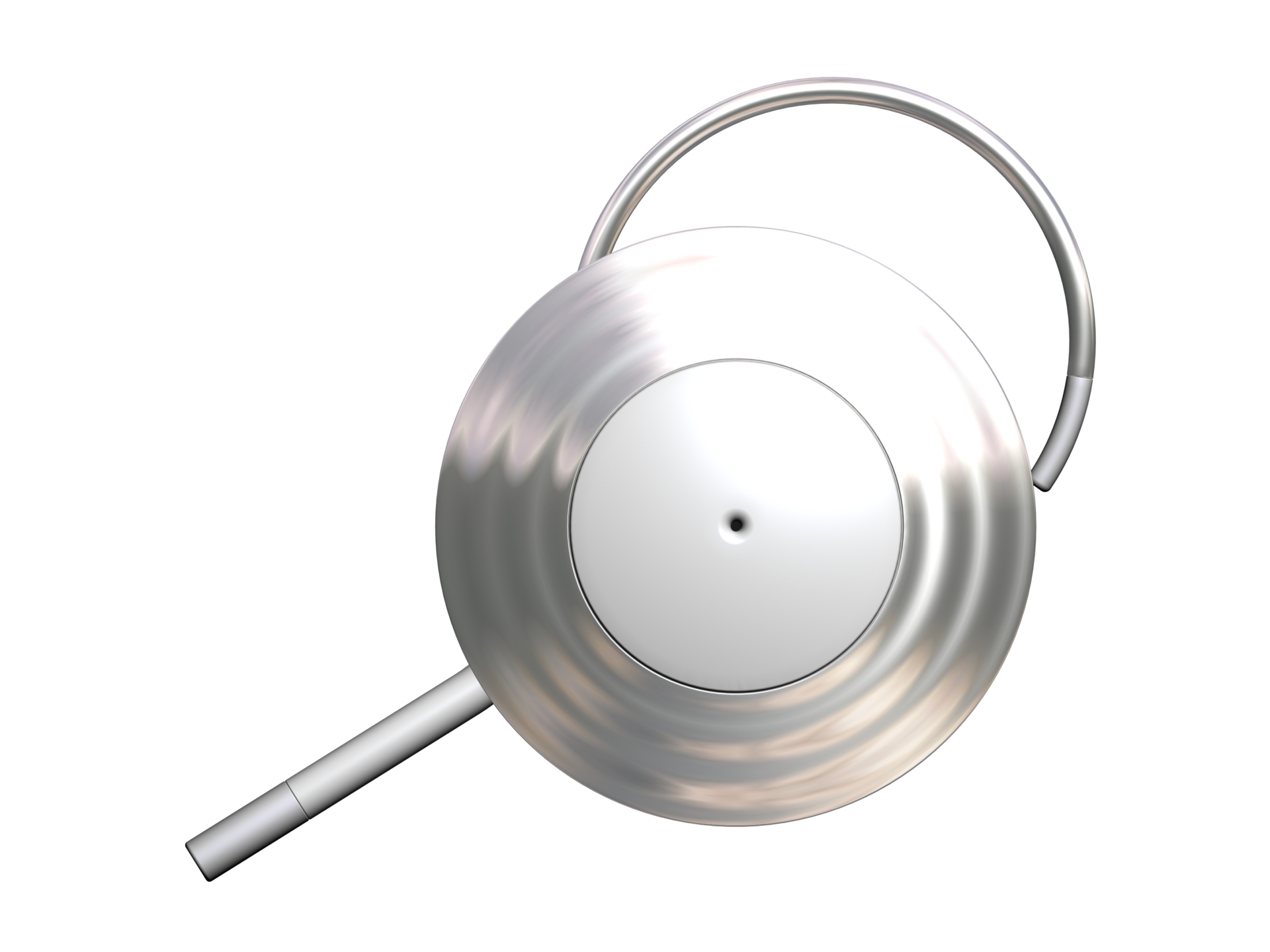
Products positioned behind the ear are still symbolic of hearing aid disability and stigma. We propose to use the growing acceptance of telecom ear wear products to express a future hearing aid by wearing it on the ear, and creating an ambiguity as to its origin… functional, musical, telecom, jewelry etc.
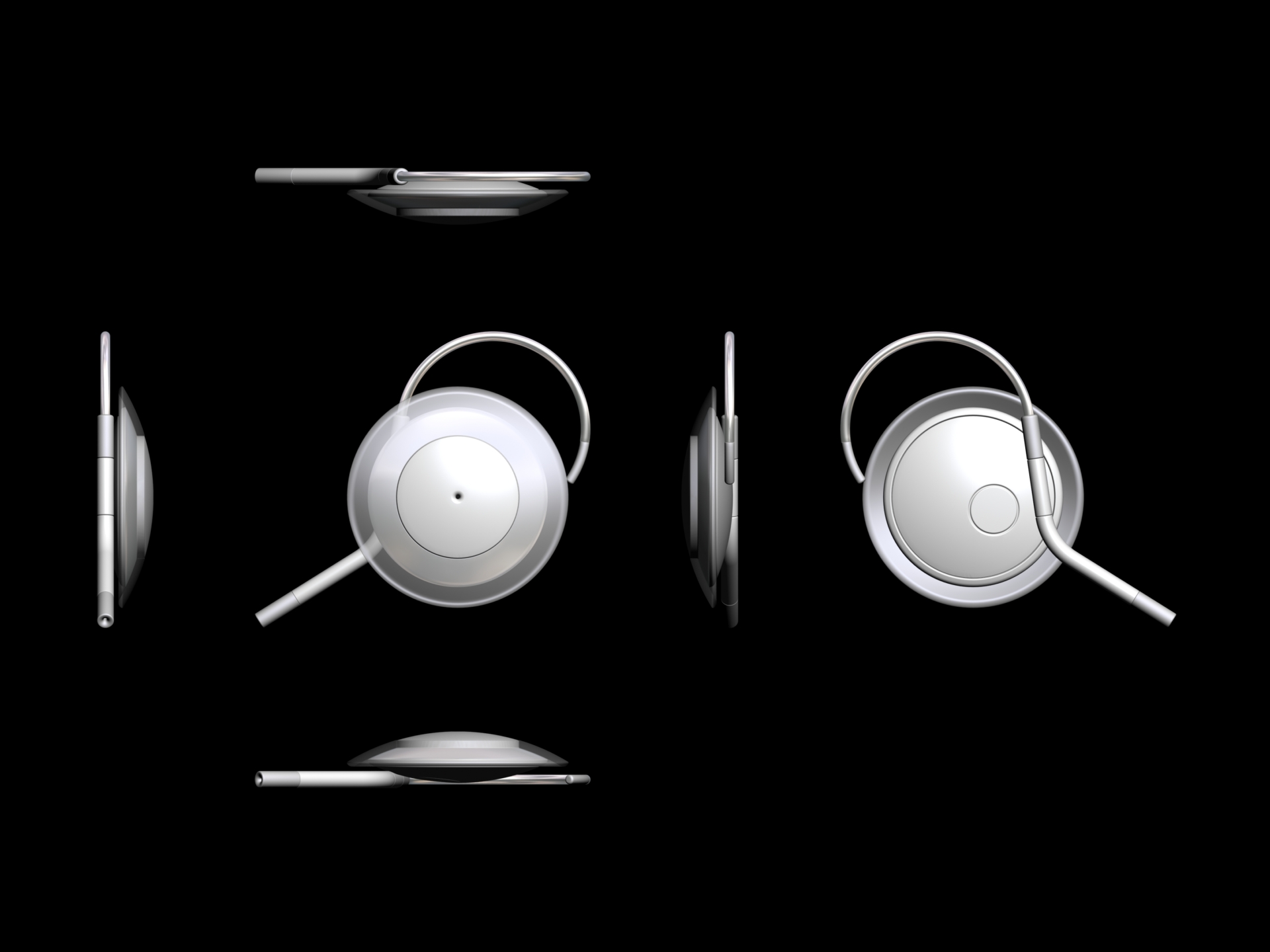
By locating the product in front of the ear it also places the microphone in the most appropriate functional position to best mimic normal hearing, and allows standard ‘in-ear’ product components to be both used and hidden from view.
Unfortunately, telecom product semantics are defined by a very narrow target market, which ignores gender and age differentiation. Furthermore, the selling proposition is currently one of new function, so there is no commercial need to develop alternative visual cultures to help sell the products. Disguising hearing aids to look like telecom products, which seems to be a current commercial strategy, quickly fails when you realize that hearing loss demographics stretches beyond fashionable urban professionals.
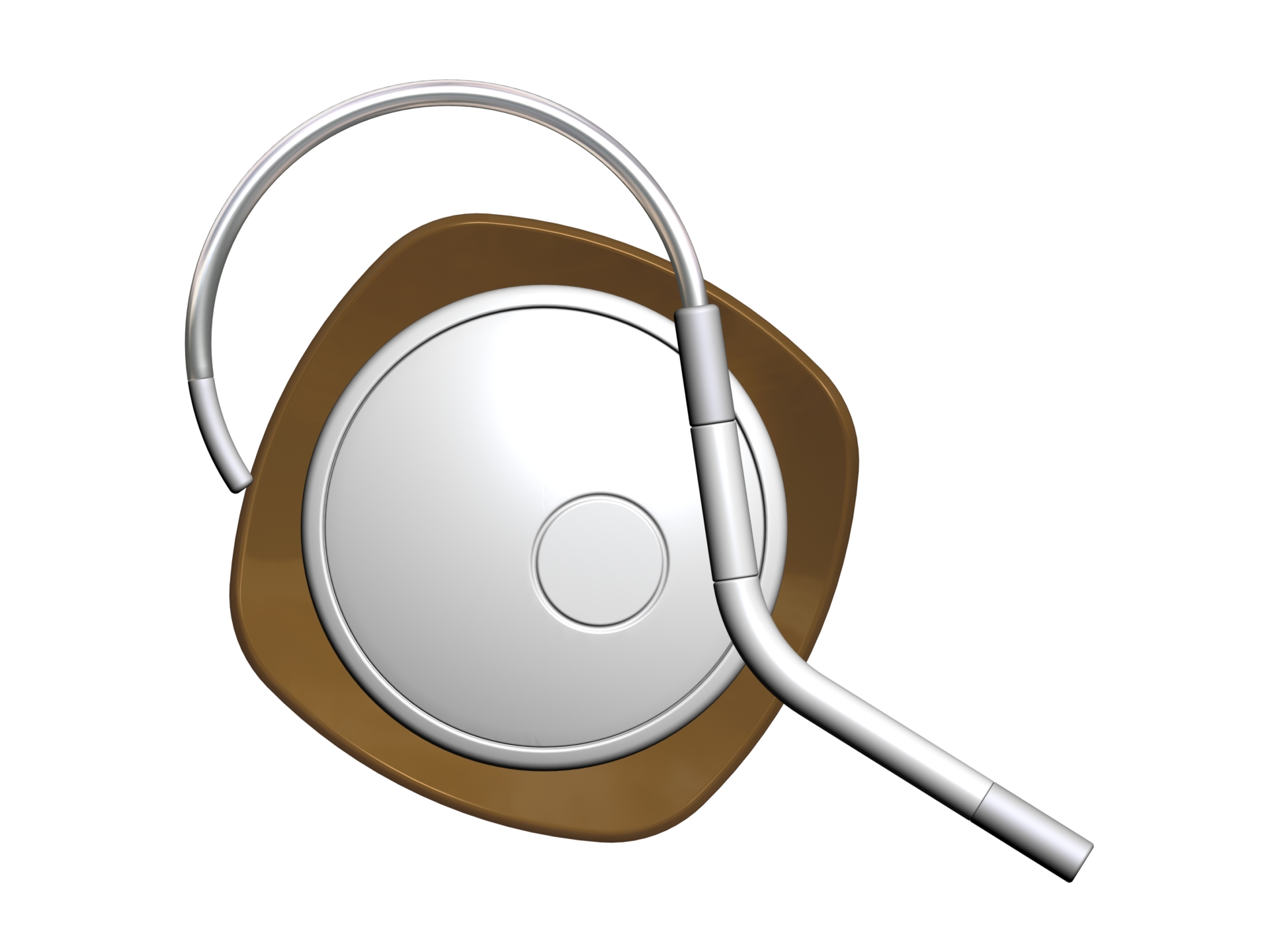
The material & stylistic cultures associated with headwear are in fact rich and varied. Sport, jewelry, fashion, eyewear etc. the opportunities to appropriate these cultures are plentiful and would allow a much more enjoyable and democratic future hearing aid culture to develop.
To establish a product culture, which is sympathetic to humanity’s vast product range, we propose to establish a neutral & universal product core based around a circular form, which responds to everyone’s shape, size and hair in a similar way. The product then becomes a vessel for self-expression from neutral, to technical, to spectacle, to customized.